How to Travel on a Budget: Tips and Tricks
Traveling the world doesn’t have to drain your savings. Over the years, I have learned that unforgettable experiences are not always tied to luxury hotels or expensive flights. Some of my best memories came from staying in small guesthouses, eating local street food, and exploring hidden neighborhoods on foot. Budget travel is about making smart choices rather than sacrificing comfort or adventure. With proper planning, flexibility, and a willingness to try new experiences, anyone can explore new destinations without spending a fortune. Whether you’re planning your first trip or looking to stretch your travel funds further, these practical strategies will help you enjoy meaningful adventures while keeping your expenses under control.
Plan Your Trip Well in Advance
One of the biggest lessons I have learned is that early planning saves a significant amount of money. Booking flights and accommodations several weeks or months ahead often results in lower prices and more choices. I usually spend time comparing airfare, researching different neighborhoods, and checking public transportation options before finalizing my itinerary. This preparation helps avoid costly last-minute decisions. Flexible travel dates also make a huge difference because ticket prices can vary dramatically depending on the season or even the day of the week. Traveling during the shoulder season not only reduces expenses but also allows you to enjoy popular attractions with fewer crowds. Careful planning creates a solid foundation for affordable travel while reducing unnecessary stress during the journey.
Choose Budget-Friendly Accommodation
Accommodation often consumes a large portion of travel expenses, but there are many affordable alternatives to expensive hotels. During several trips, I stayed in hostels, family-run guesthouses, and vacation rentals that offered clean, comfortable rooms at a fraction of hotel prices. Some properties even included breakfast, saving additional money each day. If you’re comfortable meeting new people, shared accommodations provide both savings and opportunities to connect with fellow travelers from around the world. House sitting and home exchanges are also becoming increasingly popular for long-term travelers. Reading recent reviews and checking the property’s location ensures that lower prices do not compromise safety or convenience. Finding the right place to stay helps keep your budget balanced without reducing the quality of your experience.
Save Money on Transportation
Transportation costs can quickly add up if you rely solely on taxis or ride-sharing services. In many cities I have visited, walking became one of the best ways to discover local culture while saving money. Public transportation systems such as buses, trains, and metro services are usually reliable, affordable, and efficient. Purchasing daily or weekly transit passes often reduces costs even further. For longer journeys between cities, overnight buses or trains can eliminate the need for an extra night’s accommodation. When renting a vehicle, comparing prices and understanding fuel policies prevents unexpected charges. Slow travel, where you spend more time in fewer destinations, also minimizes transportation expenses while allowing deeper cultural experiences.
Eat Like a Local Instead of Dining at Tourist Spots
Food is one of the most enjoyable parts of traveling, and eating locally often provides the best value. Instead of choosing restaurants near major attractions, I like exploring neighborhoods where residents actually dine. Local cafés, markets, and street food vendors frequently serve authentic meals at much lower prices. Visiting grocery stores for breakfast supplies, snacks, or picnic lunches also helps reduce daily spending. In many countries, lunch specials are significantly cheaper than dinner menus while offering the same delicious dishes. Trying regional cuisine not only supports local businesses but also creates memorable culinary experiences that expensive tourist restaurants rarely match. Eating smart allows you to enjoy excellent food without overspending.
Create and Stick to a Daily Budget
One habit that has transformed the way I travel is setting a realistic daily spending limit. Before each trip, I estimate expected costs for accommodation, transportation, meals, attractions, and small purchases. Tracking expenses with a notebook or smartphone app helps me stay aware of where my money goes. Some days I spend less, which allows extra flexibility for special experiences later in the trip. Budgeting does not mean constantly worrying about every dollar; instead, it creates confidence and prevents unpleasant surprises. Including a small emergency fund is equally important because unexpected situations can happen anywhere. A clear financial plan makes every travel decision easier and keeps your journey enjoyable.
Find Free and Low-Cost Activities
Many travelers assume sightseeing requires expensive entrance fees, but some of the most rewarding experiences cost little or nothing. I have spent entire afternoons exploring public parks, historic neighborhoods, local markets, and scenic walking trails without spending much at all. Many museums offer discounted or free admission on selected days, while cities often organize cultural festivals, concerts, and community events throughout the year. Free walking tours are another excellent option because local guides share fascinating stories while visitors contribute whatever they can afford as a tip. Beaches, hiking routes, botanical gardens, and public viewpoints also provide unforgettable experiences without straining your travel budget. Researching these opportunities before arrival can significantly reduce overall expenses.
Pack Smart to Avoid Extra Costs
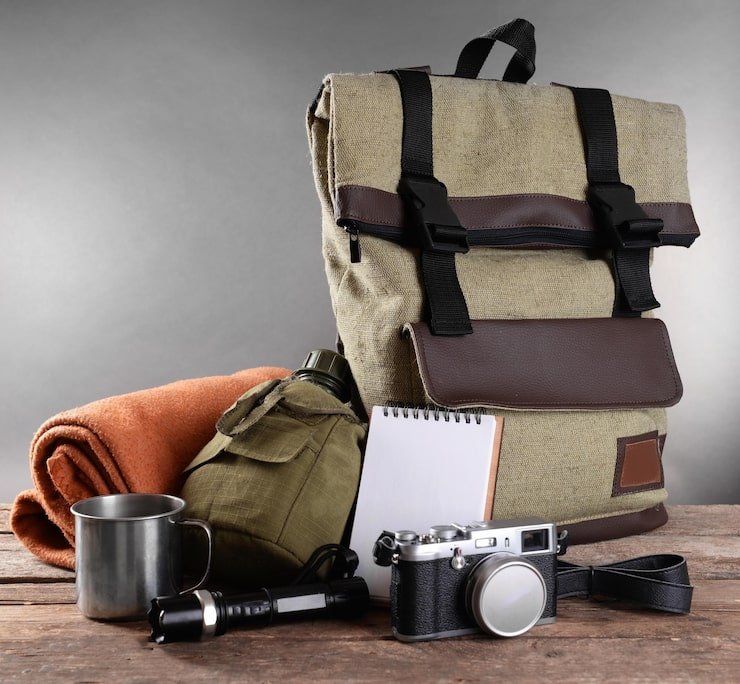
Packing efficiently may seem like a small detail, but it can save a surprising amount of money. Traveling with only a carry-on bag has helped me avoid airline baggage fees on several occasions. I always bring reusable essentials such as a water bottle, shopping bag, power bank, and lightweight rain jacket to reduce unnecessary purchases during the trip. Packing versatile clothing that can be mixed and matched eliminates the need for excess luggage while adapting to different weather conditions. Before leaving home, I also check airline baggage policies carefully to avoid unexpected charges at the airport. Thoughtful packing improves convenience while protecting your travel budget from avoidable expenses.
Stay Flexible and Look for Unexpected Opportunities
Some of the best travel bargains appear when you’re willing to adjust your plans. I have discovered discounted tours, cheaper accommodations, and lower airfare simply by remaining flexible with my schedule. Being open to alternative destinations can also lead to incredible experiences that are less crowded and more affordable than famous tourist hotspots. Last-minute discounts occasionally become available for attractions or local activities, especially during quieter periods. Talking with local residents often leads to recommendations for hidden places that are both authentic and inexpensive. Flexibility allows travelers to take advantage of opportunities that rigid itineraries might overlook while making each journey feel more spontaneous and rewarding.
Conclusion
Affordable travel is not about limiting yourself—it’s about making thoughtful decisions that maximize every dollar you spend. Careful planning, choosing economical accommodation, using public transportation, eating local food, tracking expenses, and embracing free activities all contribute to memorable adventures without financial stress. My own experiences have shown that meaningful travel comes from connecting with people, discovering local culture, and appreciating simple moments rather than spending lavishly. With patience, preparation, and an open mind, anyone can explore beautiful destinations while staying within budget. The memories you create will always be worth far more than the money you save, proving that incredible journeys are possible for every traveler regardless of their budget.