Capturing the Perfect Sunset: Tips for Travel Photographers
Every traveler has experienced that magical moment when the sky transforms into a canvas of golden, orange, pink, and purple hues. No matter how many sunsets I have witnessed during my journeys, each one has felt unique. Some unfolded over peaceful beaches, while others painted mountain peaks or historic city skylines with breathtaking colors. Learning the art of Capturing the Perfect Sunset: Tips for Travel Photographers has taught me that great photographs are not only about having an expensive camera. They come from patience, preparation, and understanding how natural light changes throughout the evening. Whether you are using a professional DSLR, a mirrorless camera, or even a smartphone, knowing a few practical techniques can help you create memorable travel images that truly reflect the beauty of the moment.
Planning Ahead Makes Every Sunset Photography Session Better
One lesson I learned early in travel photography is that beautiful sunset photos rarely happen by accident. Successful images usually begin with careful planning long before the sun starts to descend. Whenever I visit a new destination, I spend time researching viewpoints, checking the weather forecast, and understanding where the sun will set. Arriving at least thirty to forty-five minutes early gives me enough time to explore different compositions without feeling rushed. During one coastal trip, I reached the viewpoint well before sunset and discovered a rocky foreground that added depth to the final photograph. Had I arrived at the last minute, I would have missed that opportunity entirely. Planning ahead also allows photographers to adapt if unexpected clouds or crowds change the original shooting location.
Choosing the Right Location Creates Stronger Compositions
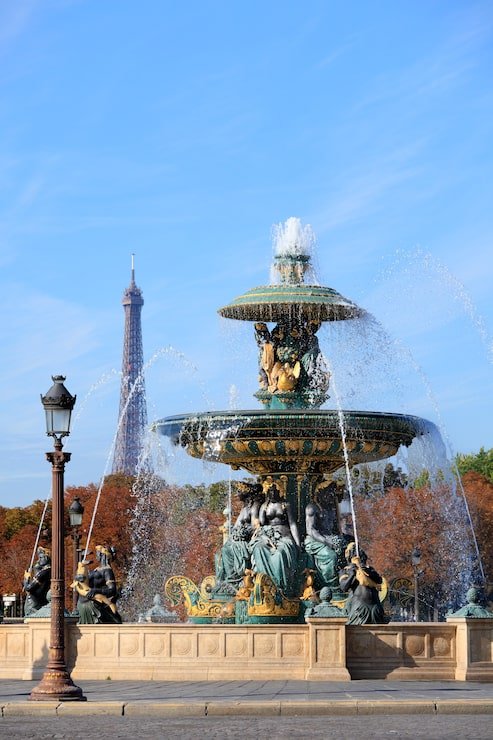
The beauty of a sunset depends not only on the sky but also on what surrounds it. A colorful horizon becomes even more captivating when combined with interesting foreground elements such as rivers, mountains, historic buildings, trees, or reflective water surfaces. During one evening in Paris, instead of photographing only the glowing sky, I included the silhouette of the Eiffel Tower and the calm waters of the Seine River. That simple decision transformed an ordinary sunset into a story about the destination itself. Every travel location offers unique opportunities, so I always encourage photographers to look beyond the obvious viewpoint. Exploring nearby streets, parks, or elevated observation areas often reveals creative angles that make photographs stand out while giving viewers a stronger sense of place.
Understanding Natural Light Makes a Huge Difference
One of the biggest mistakes beginners make is waiting until the sun actually touches the horizon before taking photographs. In reality, the most beautiful lighting often appears before and after the actual sunset. The golden hour produces warm, soft light that enhances landscapes, architecture, and portraits without creating harsh shadows. Even after the sun disappears, the blue hour introduces cooler tones that create dramatic contrasts against city lights and colorful skies. I remember standing beside a quiet lake after most visitors had already left, assuming the show was over. Within minutes, the sky turned deep purple and reflected perfectly across the water, producing one of my favorite travel photographs. Since then, I never pack my camera immediately after sunset because some of the most remarkable colors arrive when patience is rewarded.
Camera Settings That Help Preserve Beautiful Colors
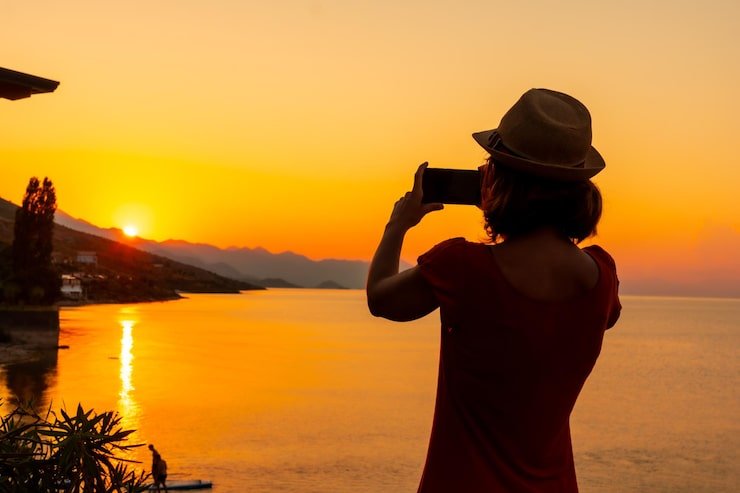
Although modern cameras perform remarkably well, understanding a few basic settings can significantly improve sunset photography. Whenever possible, I prefer shooting in manual or aperture priority mode because it offers greater control over exposure. Lower ISO settings help maintain image quality, while adjusting exposure compensation prevents bright skies from becoming overexposed. Using a tripod also allows for slower shutter speeds during fading light without introducing unwanted blur. Even smartphone photographers can benefit by tapping the brightest part of the sky before taking a picture, helping preserve vibrant sunset colors. Over time, I discovered that slightly underexposing an image often retains more detail in the clouds while making the final photograph appear richer and more dramatic during editing.
Including People and Local Culture Adds Emotion
While landscapes are beautiful on their own, adding people can transform a technically good photograph into an emotionally engaging story. Some of my favorite sunset images feature travelers quietly admiring the horizon, fishermen returning to shore, or local families enjoying an evening walk. These human elements create scale while helping viewers connect emotionally with the scene. During one trip, I photographed a couple sitting silently on a cliff overlooking the ocean as the sun slowly disappeared. Rather than distracting from the landscape, their presence enhanced the atmosphere by illustrating the peaceful feeling everyone was experiencing. Travel photography becomes more meaningful when it captures genuine moments instead of focusing only on scenery. Respectfully including local life can make sunset images feel authentic and memorable.
Editing Should Enhance, Not Replace Reality
Post-processing plays an important role in modern photography, but I have learned that subtle adjustments usually produce the most natural results. Rather than dramatically increasing saturation or contrast, I prefer making gentle improvements that reflect how the sunset actually looked. Small adjustments to highlights, shadows, white balance, and sharpness are often enough to recreate the atmosphere I experienced in person. During my early photography days, I occasionally edited images so heavily that the sky appeared unrealistic. Looking back, those photographs no longer felt authentic. Today, I focus on preserving the natural beauty of the destination while correcting only minor imperfections. Honest editing helps maintain credibility and allows viewers to appreciate the genuine colors and mood that made the sunset unforgettable.
Why Patience Is the Most Valuable Photography Skill
Expensive equipment certainly helps, but patience remains the greatest advantage any travel photographer can develop. Nature rarely follows a perfect schedule, and every sunset unfolds differently depending on weather, clouds, and atmospheric conditions. Some evenings may appear disappointing at first before suddenly revealing extraordinary colors moments later. I have experienced days when thick clouds seemed certain to ruin the view, only to watch dramatic rays of light break through just before darkness arrived. Those unexpected moments reminded me that great photography often rewards persistence rather than perfection. Waiting quietly, observing changing light, and remaining ready for the right opportunity have consistently produced better images than constantly rushing between locations. Every memorable sunset teaches photographers that patience is just as valuable as technical knowledge.
Conclusion
Capturing the Perfect Sunset: Tips for Travel Photographers is about much more than mastering camera settings or owning the latest equipment. It involves careful planning, creative composition, understanding natural light, and developing the patience to wait for unforgettable moments. Looking back on my travels, the sunsets I remember most are not necessarily the ones with the brightest colors but those connected to meaningful experiences and beautiful destinations. Every evening sky tells a different story, and every photograph preserves a unique memory that can never be repeated exactly the same way again. Whether you are exploring tropical beaches, mountain landscapes, historic cities, or peaceful countryside villages, taking the time to appreciate and photograph the day’s final light will enrich both your travel experience and your photography skills. With practice, curiosity, and a willingness to slow down, every sunset can become an opportunity to create images that remain meaningful for years to come.